September 2025 Quiz
Choose an answer under each photo to see straight away whether you are right, with a note on what to look for. Your score is at the end.
Choosing an answer shows the result at once. With a keyboard, use the arrow keys to move between answers and press Enter to choose.
-
Question 1 of 3
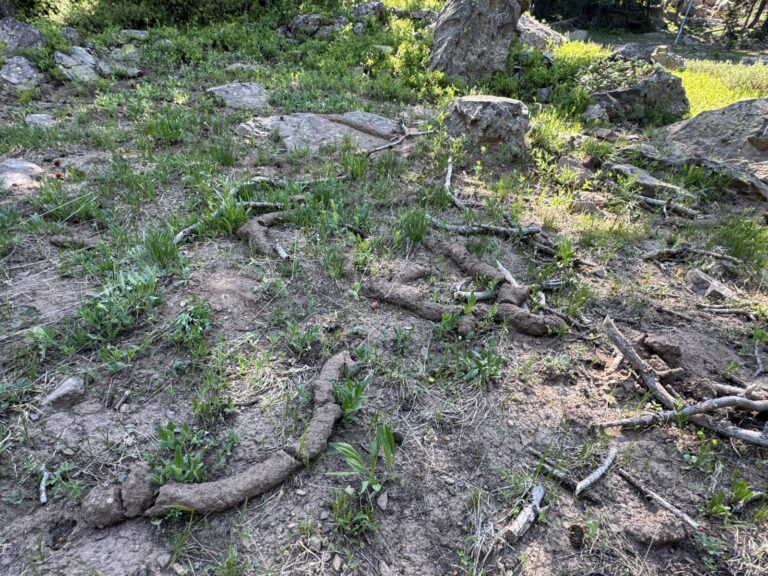
How were these long ridges created and who was responsible?
Location: Grand Mesa, Colorado, USA Photo: Sandy Reed These are all pocket gopher eskers. Eskers are narrow ridges of packed soil that appear on the ground surface after the winter snow melts. They are made when the pocket gopher excavates soil from beneath the snow and pushes the excess soil into the tunnels they've made within the snow itself. When the snow melts, these sediment-packed tunnels remain and become visible.
Photo taken by Sandy Reed
-

N. Pocket Gopher tracks · Grand Mesa, Colorado, USA -
Pocket gophers tracks · Grand Mesa, Colorado, USA -
Pocket Gopher Esker in Grand Mesa, Colorado, US, photo by Sandy Reed · Grand Mesa, Colorado, USA
-
-
Question 2 of 3
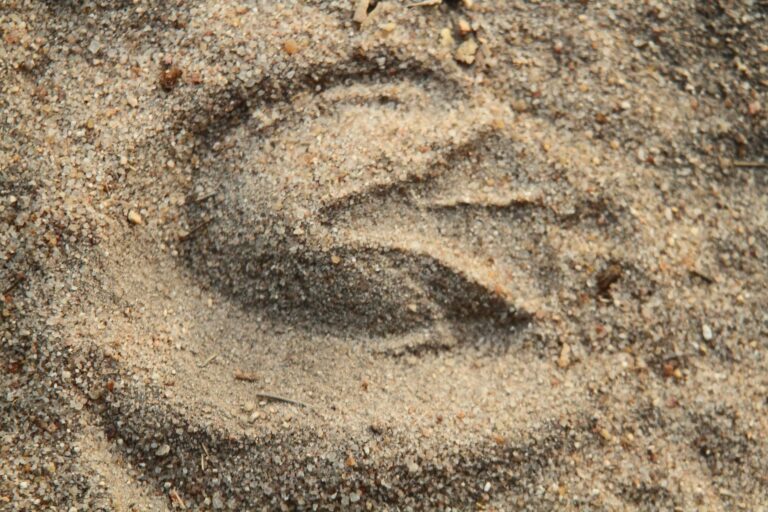
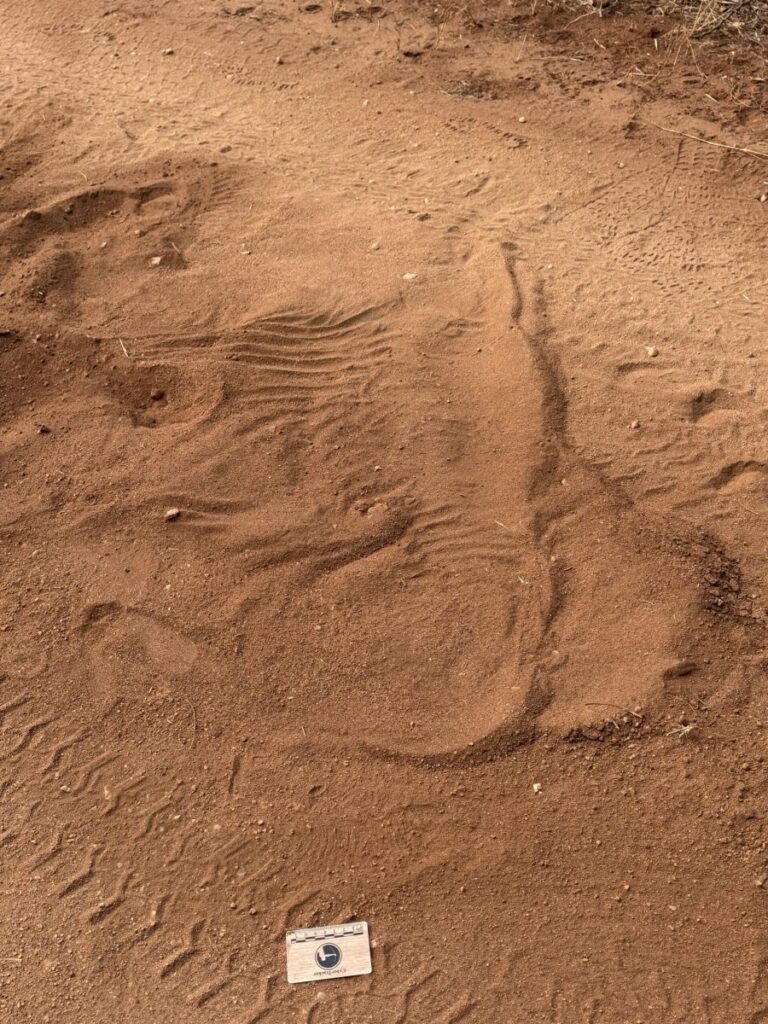
How was this track created and who is responsible?
Location: South Africa Photo: Sandy Reed The folds of the skin can be seen in this picture of a zebra dust bath or roll. Zebras dust bathe to rid themselves of ticks, flies and parasites. It also helps keep them cool. Zebras often dust bath as a group and this is considered part of their social behavior.
Photo by Sandy Reed
-
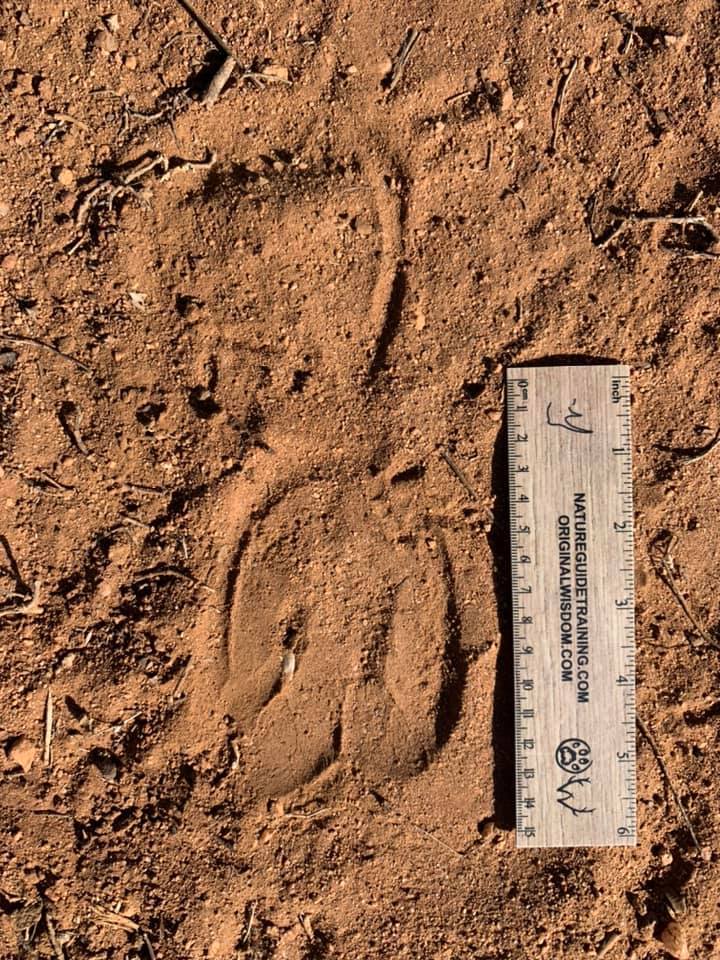
Zebra track · South Africa -
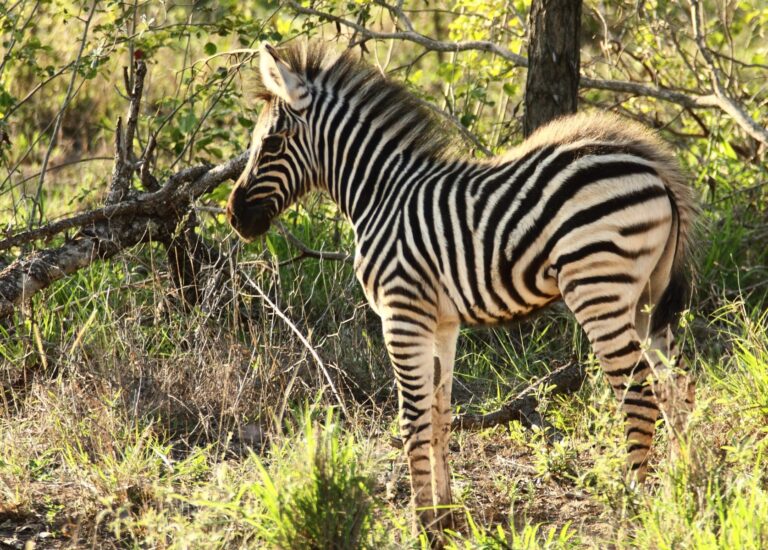
A zebra foal · South Africa -
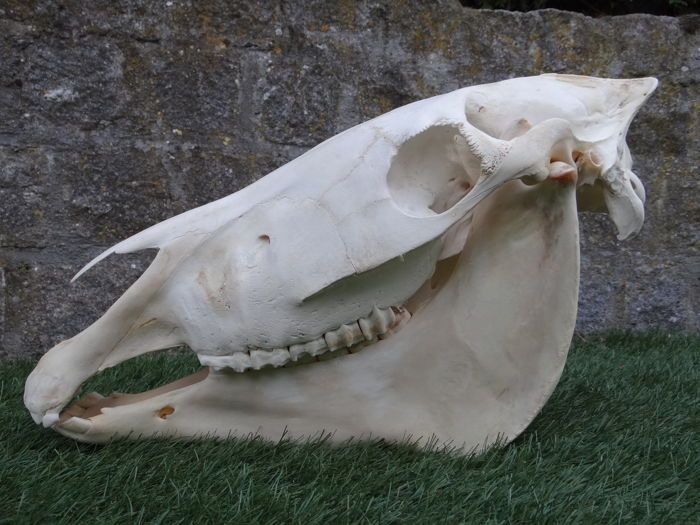
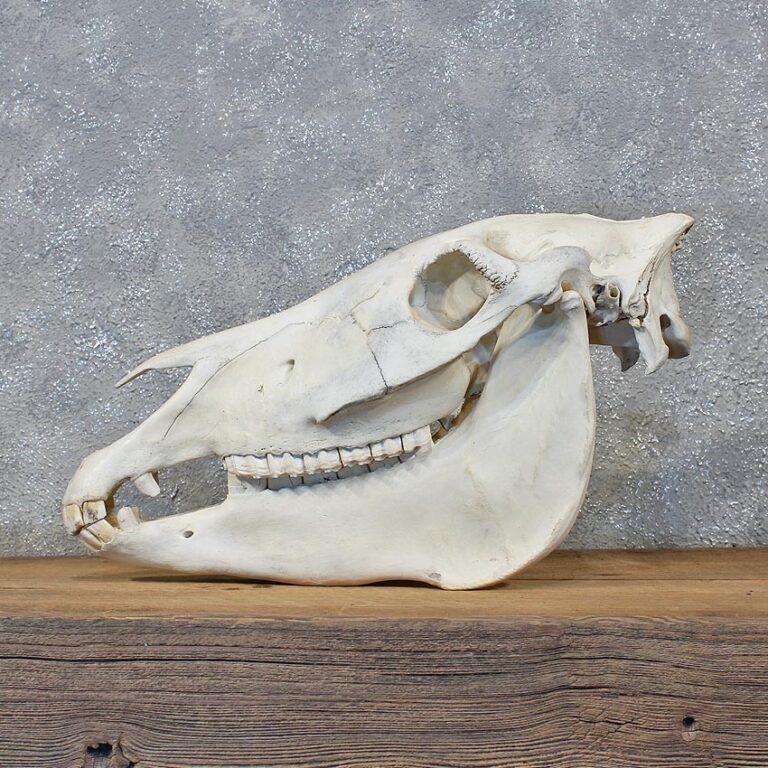
Zebra skull and mandible, signs · South Africa -
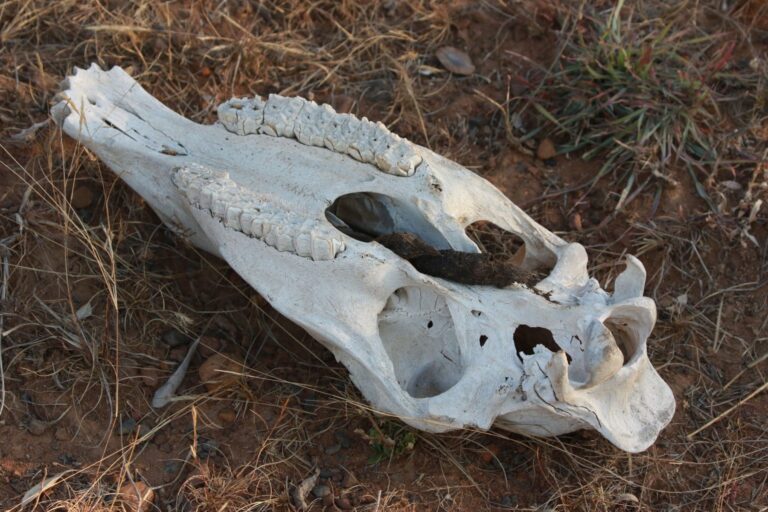
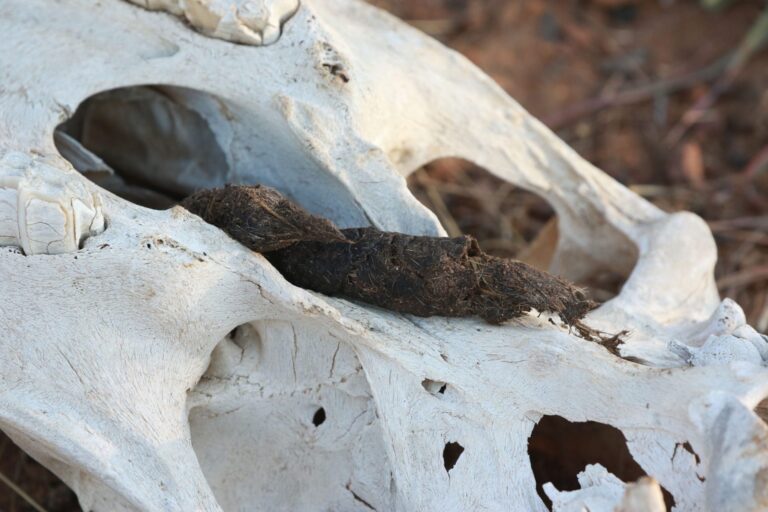
Zebra skull, signs, black-backed jackal scat · South Africa -
Zebra skull, signs, black-backed jackal scat · South Africa -
Zebra skull and mandible, signs · South Africa -
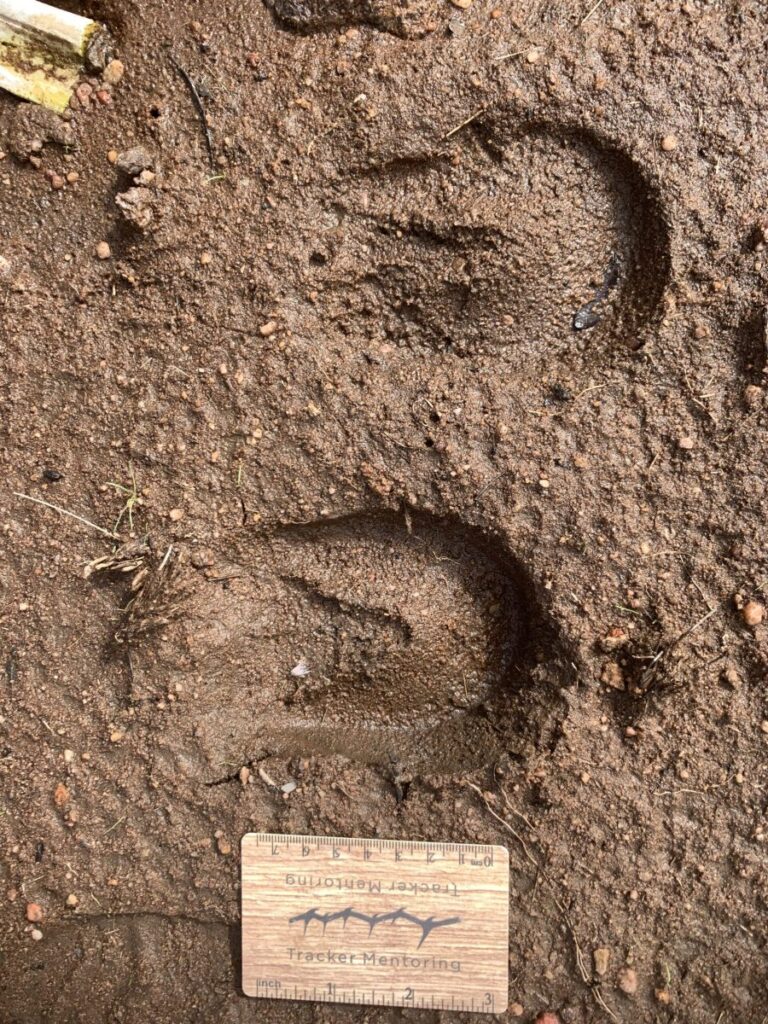
Zebra tracks · South Africa -
Zebra tracks · South Africa -
Zebra roll · South Africa
-
-
Question 3 of 3
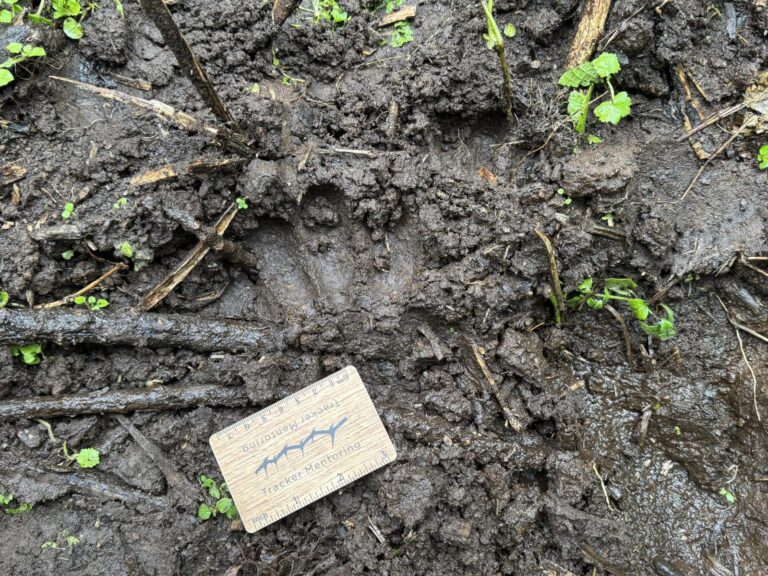
Who is the maker of these tracks?
Location: Rwanda Photo: Sandy Reed These are very fresh tracks (made minutes before the photo was taken) of the knuckles from a mountain gorilla in Rwanda. Sandy Reed was hiking in Volcanoes National Park with a guided group and saw the track just before seeing the gorilla. Mountain gorillas walk by flexing their fingers inward, tucking them into their palms, and placing the weight of their bodies on the dorsal surfaces of the middle finger bones (the middle phalanges) - their knuckles. This allows them to keep their long fingers free for grasping and climbing trees as well as providing a stable way to move on the ground.
Photo by Sandy Reed
-
Mountain Gorilla track · Rwanda
-
Your score
Answer every question to see your score. 3 to go.